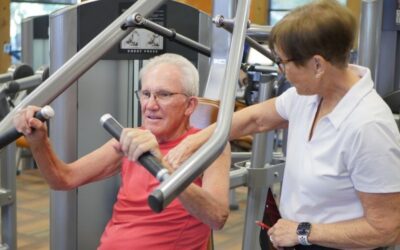
As your body changes with age, your approach to exercise should evolve, but that does not mean doing less. It means focusing on what matters most. By prioritizing strength training, mobility, and proper recovery, you can preserve muscle mass, support bone density, and maintain the ability to move well in everyday life.
Aging is not about slowing down. It is about training smarter, staying consistent, and continuing to challenge your body in ways that support long term health and function.
How to Adapt Your Workouts as You Age
Your exercise routine should change as you age, but the goal is not to scale back. It is to rebalance.
Instead of focusing heavily on aesthetics or high intensity output, your routine should prioritize:
- Longevity
- Injury prevention
- Functional strength
- Sustainable energy
You can and should still challenge yourself. Your workouts should support your lifestyle, not leave you feeling exhausted or in pain.
Which Types of Exercise Matter Most as You Get Older?
As your body ages, certain types of exercise become more valuable than others.
- Strength training: This becomes essential as you age and should be the foundation of your routine. Maintaining muscle mass supports metabolism, joint stability, and independence. Aim for two to four sessions per week, focusing on major muscle groups.
- Mobility and flexibility training: Stiff joints or tight muscles can place stress on other areas and increase injury risk. Incorporating mobility work such as dynamic stretching or yoga helps maintain range of motion and reduce discomfort.
- Balance and stability training: Fall risk increases with age, but targeted balance work can significantly reduce that risk. Simple exercises like single leg stands and controlled movements can greatly improve stability.
- Cardio training: Cardiovascular health remains essential. Walking, cycling, swimming, and interval training are all effective. Adjust intensity based on your fitness level and recovery capacity.
How Recovery Needs Change With Age
One of the biggest shifts as you age is not just how you train, but how you recover.
As you age:
- Muscles take longer to repair
- Sleep becomes more critical for performance and recovery
- Overtraining can lead to injury more quickly
Instead of pushing through fatigue or discomfort, it is essential to listen to your body. This may mean:
- Taking more frequent rest days
- Alternating between higher and lower intensity workouts
- Prioritizing sleep, whole foods, and hydration
Recovery is no longer optional. It is an essential part of your training.
Why Your Body Responds Differently Over Time
As you get older, natural physiological changes affect how your body responds to exercise. Muscle mass gradually declines, a process known as Sarcopenia, metabolism slows, and joint stiffness can increase.
Hormonal shifts also influence energy levels and bone density. This does not mean your body is breaking down, but it does mean your approach to exercise should become more intentional.
What worked in your 20s may not deliver the same results, or may increase injury risk, in your 50s, 60s, and beyond.
Common Mistakes to Avoid
Many people either do too much or too little when adjusting their fitness routine:
- Too much high intensity training. Constant maximum effort increases injury and burnout risk.
- Avoiding strength training. Relying only on cardio means missing out on critical muscle and bone benefits.
- Ignoring pain. Pain is information. Addressing it early can prevent long term issues.
- Not progressing. Staying with the same routine leads to plateaus. Progress is still important, but it should be gradual and intentional.
Final Thoughts
Aging is not a limitation. It is an opportunity to train with more purpose, awareness, and intention than ever before.
The goal is no longer just to work out, but to build a body that supports the life you want to live. Strong, capable, and resilient. Whether that means keeping up with grandkids, traveling with ease, or simply feeling confident in your own skin, your training should evolve with you.
Stay consistent. Train smart. And remember, it is never too late to get stronger.